School vouchers remain one of the most debated topics in American education policy. In 2026, the conversation has evolved significantly as more states expand school choice programs and families weigh new options beyond traditional public schools.
This updated guide to school vouchers 2026: updated pros and cons examines how voucher programs work today, what has changed in recent years, and what parents and educators should consider when evaluating their impact.
What Are School Vouchers?
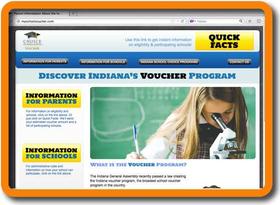
School vouchers are publicly funded scholarships that allow families to use taxpayer dollars to pay for private school tuition, including religious schools in many cases. Instead of attending a zoned public school, eligible students can redirect funding toward participating private institutions.
Voucher programs vary widely by state. Some are targeted toward low-income families or students with disabilities, while others are becoming increasingly universal.
For a broader look at how public education systems operate, see this overview on how public schools are funded.
What���s New in School Vouchers for 2026?
The landscape of school vouchers has shifted rapidly over the past few years. Key updates include:
1. Expansion of Universal Voucher Programs
States such as Arizona, Florida, and Arkansas have expanded eligibility to nearly all students, regardless of income. These programs are often referred to as Education Savings Accounts (ESAs), offering even greater flexibility than traditional vouchers.
According to the National Conference of State Legislatures, more than a dozen states now offer some form of universal or near-universal school choice program.
2. Increased Legal and Political Scrutiny
Legal challenges continue around funding structures and constitutional concerns, particularly regarding the separation of church and state. Courts have generally upheld voucher programs, but debates persist.
3. Growth of Alternative Schooling Options
In addition to private schools, voucher-like funds are increasingly used for:
- Microschools
- Homeschooling expenses
- Online learning platforms
- Tutoring services
This expansion has broadened the definition of ���school choice��� beyond traditional private education.
4. Rising Public School Concerns
As voucher programs expand, public school advocates raise concerns about funding losses and resource allocation. These concerns are especially pronounced in rural and underfunded districts.
Pros of School Vouchers in 2026
Supporters argue that school vouchers provide meaningful benefits to families and the education system.
Greater Parental Choice
The most cited advantage is increased flexibility. Parents can select schools that align with their child���s academic, social, or religious needs rather than being limited by geographic boundaries.
This aligns with broader trends discussed in public vs private school comparisons.
Increased Competition
Proponents believe that vouchers introduce competition into the education system. The idea is that public schools will improve to retain students when families have more options.
Research from the suggests that competitive pressure can lead to modest improvements in some public school outcomes, though results vary.
Access to Specialized Education
Vouchers can help students access schools with:
- Specialized curricula
- Smaller class sizes
- Programs for students with disabilities
- Religious or values-based education
For families dissatisfied with their local options, vouchers can provide a pathway to better-fit environments.
Flexibility Through ESAs
Education Savings Accounts represent a major evolution. Instead of funding a single school, families can allocate resources across multiple services, including tutoring, therapy, and online courses.
Cons of School Vouchers in 2026
Despite their appeal, vouchers also raise significant concerns among educators and policymakers.
Impact on Public School Funding
One of the most prominent criticisms is that vouchers divert funding from public schools.
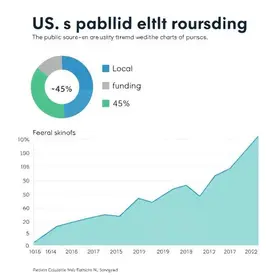
Public schools rely heavily on per-pupil funding. When students leave, funding often follows them, potentially reducing resources for remaining students.
For context on how funding affects schools, explore why public school budgets matter.
Limited Accountability
Private schools receiving voucher funds are not always subject to the same accountability standards as public schools.
This can include:
- Fewer standardized testing requirements
- Less transparency in performance data
- Limited oversight of curriculum
According to the, accountability policies vary widely, creating inconsistencies in program quality.
Unequal Access
While vouchers are intended to expand access, barriers remain:
- Transportation challenges
- Limited availability of participating schools
- Additional out-of-pocket tuition costs
In some cases, higher-income families benefit more because they can supplement voucher funds.
Mixed Academic Outcomes
Research on voucher effectiveness remains inconclusive. Some studies show modest gains, while others indicate no improvement or even declines in student performance.
A 2024 update from the highlights the variability in outcomes depending on program design and implementation.
School Vouchers 2026: Pros and Cons at a Glance
| Pros | Cons |
|---|---|
| Expands parental choice | Reduces public school funding |
| Encourages competition | Limited oversight of private schools |
| Provides access to specialized programs | Unequal access for some families |
| Supports flexible learning options | Mixed academic results |
How School Vouchers Affect 51勛圖厙窪蹋
The broader impact of vouchers on public education is complex.
Enrollment Shifts
Public schools in areas with robust voucher programs may experience declining enrollment. This can lead to:
- Program cuts
- Staff reductions
- School closures in extreme cases
Innovation and Adaptation
Some districts respond by introducing new programs, magnet schools, or specialized academies to attract and retain students.
This trend is explored further in how school choice is reshaping public education.
Equity Considerations
Critics argue that vouchers can exacerbate inequities by concentrating higher-need students in under-resourced public schools.
Supporters counter that vouchers empower disadvantaged families who previously had limited options.
What Parents Should Consider in 2026
Choosing whether to use a voucher is a highly individual decision. Families should evaluate several factors:
Academic Fit
Does the school offer strong academic programs and measurable outcomes?
Financial Implications
Will the voucher fully cover tuition, or will additional costs be required?
Accessibility
Is transportation feasible? Are there enrollment limitations?
School Quality and Oversight
What accountability measures are in place? Are performance metrics available?
Long-Term Stability
Is the voucher program stable, or could policy changes affect funding in the future?
The Future of School Vouchers
Looking ahead, several trends are likely to shape voucher programs:
- Continued expansion of universal eligibility
- Increased use of ESAs for flexible learning
- Ongoing legal challenges and policy debates
- Greater focus on accountability and transparency
As more states adopt or expand these programs, the national conversation will likely intensify.
Frequently Asked Questions
Are school vouchers available in every state?
No. Voucher programs vary widely by state, and eligibility requirements differ. Some states offer universal access, while others have limited or no programs.
Do vouchers cover full tuition?
Not always. Many vouchers cover only a portion of private school costs, requiring families to pay the difference.
Are private schools required to accept vouchers?
No. Participation is voluntary, and schools may set their own admissions criteria.
Do vouchers improve student outcomes?
Research is mixed. Some students benefit, but results depend on program design, school quality, and individual circumstances.
Conclusion
The debate over school vouchers 2026: updated pros and cons reflects broader questions about equity, choice, and the future of public education.
For some families, vouchers offer valuable flexibility and access to better-fitting educational environments. For others, concerns about funding, accountability, and equity remain significant.
As policies continue to evolve, parents and educators must carefully weigh both the opportunities and the trade-offs. Understanding how vouchers work today, and how they affect the broader education system, is essential for making informed decisions in 2026 and beyond.