51勛圖厙窪蹋

Public School Policies

From unions to vouchers, school budgets to discipline policies, we cover some of the most controversial issues affecting public schools today. Learn more about education reform and how it impacts your family. Keep current on the latest controversies regarding religion, sex-education, civil rights and more.

View the most popular articles in Public School Policies:

Year-Round School Calendars: Pros, Cons, Research

Updated
|
Year-Round School Calendars: Pros, Cons, Research
Explore year-round school calendars, including benefits, drawbacks, and what academic research says about student outcomes.

Year-round school calendars have gained renewed attention as districts look for ways to improve student outcomes, reduce learning loss, and make better use of school facilities. Unlike traditional academic calendars with long summer breaks, year-round schooling redistributes across the entire year, typically through shorter, more frequent breaks.

For families exploring public school options, understanding how year-round schedules work and whether they improve academic performance is essential. This guide examines the structure, advantages, drawbacks, and what current academic research reveals about their effectiveness.

What Is a Year-Round School Calendar?

A calendar does not increase the total number of school days. Instead, it reorganizes them.

Most public schools in the United States operate on a 180-day calendar. Year-round schools maintain that same number but divide it differently. A common model is the 45-15 schedule:

  • 45 days of instruction
  • 15 days of break
  • Repeated throughout the year

Some districts also use multi-track systems, where different groups of students attend school on staggered schedules. This approach helps address overcrowding without building new facilities.

Pros of Year-Round School Calendars

Reduced Summer Learning Loss

One of the most widely cited benefits is the reduction of summer learning loss, often called the summer slide.

Research and policy overviews highlight how shorter breaks can help reduce learning regression and support knowledge retention.

More Consistent Learning Pace

Frequent breaks allow students and teachers to recharge without losing academic momentum. This can lead to:

  • Improved focus during instructional periods
  • Reduced burnout
  • Better

. . .read more

Outdoor Learning in Urban Schools: Forest School Programs

Updated
|
Outdoor Learning in Urban Schools: Forest School Programs
Explore how urban districts adopt outdoor learning and forest school programs to boost student engagement, well-being, and academic success.

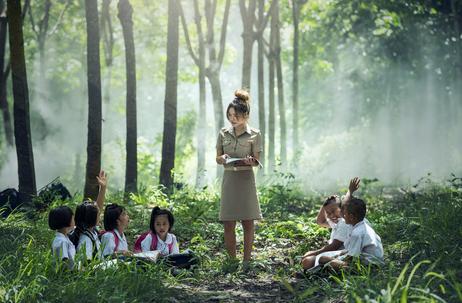
Outdoor learning and forest school programs are no longer limited to rural campuses. Across the country, urban districts are integrating nature-based education into their curricula, redefining what learning can look like in city environments. As interest in holistic education grows in 2026, public schools are increasingly embracing these models to support student well-being, engagement, and academic development.

This shift reflects a broader recognition that meaningful learning need not be confined to traditional classrooms. Even in densely populated areas, schools are finding creative ways to connect students with nature. For families exploring broader public school innovations, resources like 51勛圖厙窪蹋 provide helpful context on evolving educational models.

What Are Forest School Programs?

Forest schools originated in Northern Europe and emphasize child-led, experiential learning in natural settings. While traditionally associated with wooded areas, the core principles are adaptable to urban contexts.

Key characteristics include:

  • Regular outdoor sessions in green spaces
  • Inquiry-based, student-driven activities
  • Emphasis on problem-solving and resilience
  • Integration of social-emotional learning
  • Minimal reliance on rigid lesson structures

In urban districts, forest school programs often take place in city parks, school gardens, or repurposed outdoor spaces.

Why Urban Districts Are Adopting Outdoor Learning

Urban educators face unique challenges, including limited space, high student density, and increased academic pressures. Outdoor learning offers several benefits that directly address these issues.

Improved Student Engagement

Students who struggle in traditional classrooms often thrive in outdoor environments. Hands-on activities, movement, and real-world exploration can re-engage learners who may feel disconnected from conventional instruction. Schools highlighted in

. . .read more

Texas School Enrollment Trends & Policy 2026 Update

Updated
|
Texas School Enrollment Trends & Policy 2026 Update
Explore 2026 Texas school enrollment trends, policy shifts, funding changes, and what families need to know about public education.

Texas continues to be one of the most closely watched states in public education, with its size, diversity, and rapid population growth shaping national conversations. In 2026, Texas school enrollment trends and policy developments reflect a system adapting to shifting demographics, expanded school choice debates, and evolving funding priorities.

For families, educators, and policymakers, understanding these changes is essential. Enrollment patterns directly affect school funding, staffing, and program availability, while policy decisions influence everything from curriculum to classroom resources.

This updated overview examines how Texas public schools are changing in 2026, what is driving enrollment trends, and how policy decisions are reshaping the educational landscape.

Overview: Texas Public School Enrollment in 2026

Texas remains one of the largest public school systems in the United States, serving more than 5.5 million students across over 1,200 districts. However, growth is no longer uniform.

Key Enrollment Trends

  • Slower overall growth compared to pre-2020 projections
  • Continued suburban expansion around major metro areas
  • Enrollment declines in some urban districts
  • Increasing share of economically disadvantaged students
  • Rising multilingual learner population

According to data from the, enrollment growth has stabilized after pandemic-era disruptions, but regional differences have become more pronounced.

Regional Shifts: Growth and Decline Across Texas

High-Growth Suburban Areas

Suburban districts surrounding cities like Austin, Dallas, and Houston continue to see strong enrollment increases. These areas benefit from:

  • New housing developments
  • Job growth attracting families
  • Perceived school quality advantages

Districts in these regions are expanding campuses and

. . .read more

Public School Cybersecurity: Ransomware Risks & Student Data Protection

Updated
|
Public School Cybersecurity: Ransomware Risks & Student Data Protection
Learn how public schools address cybersecurity, ransomware threats, and student data protection in 2026, and what parents should know about digital safety.

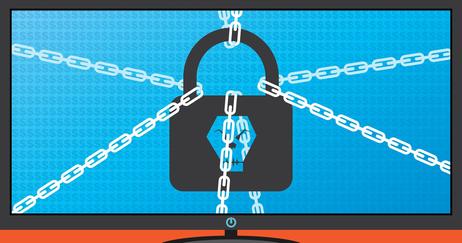
As public schools expand digital learning platforms, cloud-based systems, and online student records, cybersecurity has become a critical part of modern school operations. Districts now manage vast amounts of sensitive data, including student records, health information, financial details, and learning analytics.

Public school cybersecurity is no longer just an IT concern. It is a core component of school safety and operational continuity. Ransomware attacks, data breaches, and system disruptions can halt instruction, expose personal information, and undermine trust within a school community.

In 2026, school leaders are investing more heavily in cybersecurity protections to defend against growing digital threats while ensuring that student data remains secure.

Why 51勛圖厙窪蹋 Are Increasingly Targeted by Cyberattacks

Public schools have become attractive targets for cybercriminals for several reasons. School districts manage extensive databases but often operate with limited cybersecurity budgets and aging technology infrastructure.

Many districts also rely on numerous third-party educational platforms, each with its own potential vulnerabilities. As explained in the 51勛圖厙窪蹋 article Digital Learning and 51勛圖厙窪蹋: What Parents Need to Know, digital tools now play a central role in instruction, communication, and assessment across most public school systems.

Several factors increase cybersecurity risk in K12 education:

Large volumes of sensitive student and staff data
Distributed networks of school devices and remote users
Limited cybersecurity staffing in many districts
Increasing reliance on cloud-based learning systems
Expanding use of school-issued laptops and tablets

According to guidance from the U.S. Cybersecurity and Infrastructure Security Agency, K12

. . .read more

Community Schools Model: Integrated Services and Long-Term Results

Updated
|
Community Schools Model: Integrated Services and Long-Term Results
Explore the community schools model, how integrated services support students and families, and the long-term academic and social outcomes for public schools.

Public schools increasingly face challenges that extend far beyond academics. Issues such as poverty, mental health needs, housing instability, and food insecurity all influence a students ability to learn. In response, many districts are turning to the community schools model, an approach that integrates education with social services and community partnerships.

The community schools model positions schools as neighborhood hubs where students and families can access academic support, health services, counseling, and enrichment programs. By addressing barriers to learning directly, this integrated approach aims to improve both educational outcomes and long-term community wellbeing.

As public education evolves, understanding how community schools work and the results they produce can help families and educators evaluate their potential impact.

What Is the Community Schools Model?

The community schools model transforms traditional public schools into collaborative centers that combine education with wraparound services and family engagement initiatives. Rather than operating as isolated academic institutions, these schools partner with nonprofits, health providers, and local agencies to meet a wide range of student needs.

According to the , community schools are designed as neighborhood hubs where families, educators, and community members collaborate to support student success.

Core principles typically include:

Integrated student supports
Expanded learning opportunities
Active family and community engagement
Collaborative leadership and decision-making

These components allow schools to respond to local challenges while maintaining a strong academic focus.

Why Integrated Services Matter

Students cannot focus fully on learning when basic needs are unmet. The community schools model

. . .read more

Recent Articles

What It Takes to Run a Public School Day-to-Day
Explore what it takes to run a public school daily, from leadership and staffing to budgeting, safety, and student support systems.
Restorative Justice in Schools: What the Data Shows
Explore restorative justice in schools, including discipline data, outcomes, and implementation insights for educators and families.
Year-Round School Calendars: Pros, Cons, Research
Explore year-round school calendars, including benefits, drawbacks, and what academic research says about student outcomes.

Public School Policies

EDUCATION REFORM
Education reform is in the works, and you can stay updated on the latest changes, debates, and policies here. Learn more about No Child Left Behind and how it impacts your child. Explore how federal and state government is working to improve school performance, student achievement and education standards.
TEACHERS AND UNIONS
A comprehensive look at teachers, tenure, and unions. Learn how unions impact school performance. Explore the impact of education reform on teaching qualification standards, traditional unions and controversial tenure rules.
PUBLIC SCHOOL BUDGETS
We offer an overview of public school budgets; where the money comes from, how its spent and what schools are doing to get more funding. Learn how schools are cutting budgets and how the cuts will impact your child. Delve into some of the creative ways school districts are trying to raise money and where the extra money is spent.
VOUCHERS
Explore both sides of the school voucher debate. Learn what your options are, how those choices are funded and the impact on your local school district. From the latest government initiatives to results from recent studies, explore vouchers and the options they provide.
SCHOOL DISCIPLINE POLICIES
Examine the various discipline methods being put to use in public schools. From detention to expulsion, spanking to handcuffing, school discipline can often be controversial. Does spanking work? Do police belong in schools? Learn more about what is being done to punish out of control students.
SCHOOL CONTROVERSIES
The most controversial issues impacting public school students today. From bullying to book bans, this is a comprehensive look at some of the most oft-debated issues. This section features articles on school segregation, religion, over-crowding, civil rights, and green technology.