Education funding in America remains one of the most complex and debated aspects of the K–12 system. In 2026, the landscape continues to evolve, shaped by post-pandemic recovery efforts, inflation pressures, enrollment shifts, and ongoing debates about equity.
For parents and educators, understanding how public schools are funded is essential. Funding levels influence class size, teacher quality, extracurricular offerings, and overall student outcomes. This updated guide explains where school funding comes from, how it is distributed, and what has changed in 2026.
How 51³Ô¹ÏÍøºÚÁÏ Are Funded
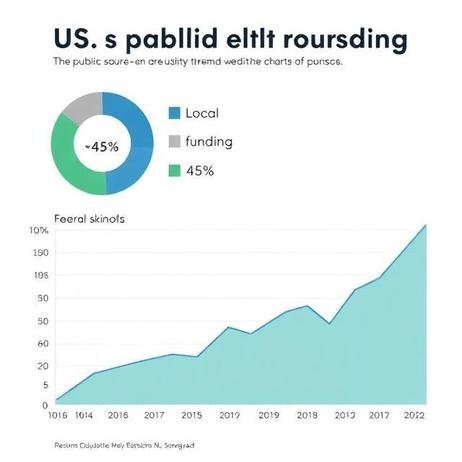
Public school funding in the United States comes from three primary sources:
| Funding Source | Share of Total Funding | Key Characteristics |
|---|---|---|
| Local (property taxes) | ~45% | Varies widely by community wealth |
| State funding | ~45% | Designed to equalize disparities |
| Federal funding | ~10% | Targeted support for specific populations |
According to the, this structure has remained relatively stable, but the balance between these sources continues to shift in response to economic and political changes.
What’s New in 2026
1. Stabilization After Pandemic-Era Funding
Federal pandemic relief funds, particularly those distributed through the Elementary and Secondary School Emergency Relief (ESSER) program, have largely expired. Schools that relied on these temporary funds are now adjusting budgets.
This has led to:
- Reductions in temporary staff positions
- Reevaluation of academic intervention programs
- Increased pressure on state and local budgets
Districts that used funds for one-time investments, such as technology upgrades, are generally better positioned than those that expanded recurring costs.
2. Rising Costs and Inflation Pressures
Inflation has significantly impacted school budgets in 2025 and 2026. Rising costs for transportation, utilities, and staffing have forced many districts to reassess spending priorities.
Teacher salary increases have been a major focus, particularly in states facing shortages. As discussed in teacher shortages across the U.S., funding challenges directly affect recruitment and retention.
3. Enrollment Declines Affect Funding
Many districts continue to experience declining enrollment, a trend that accelerated during the pandemic and has not fully reversed.
Since funding formulas often rely on student counts, declining enrollment can lead to:
- Reduced state funding allocations
- School consolidations or closures
- Cuts to programs and services
This dynamic is especially pronounced in urban districts and some rural areas.
4. Increased Focus on Funding Equity
Equity remains a central issue in education funding in America. Wealthier districts typically generate more revenue through property taxes, while lower-income districts rely more heavily on state aid.
Recent policy efforts aim to address these disparities. For example:
- Some states have revised funding formulas to allocate more resources to high-need students
- Courts continue to play a role in challenging inequitable systems
- Federal programs like Title I remain critical for supporting low-income schools
The continues to emphasize equity as a priority, particularly in resource allocation and accountability.
Understanding State Funding Formulas
State governments play a crucial role in distributing education funds. While formulas vary, most include factors such as:
- Student enrollment
- Poverty levels
- English language learner populations
- Special education needs
Some states use weighted funding formulas, providing additional resources for students with greater needs. Others rely on foundation formulas that establish a base funding level per student.
For a broader perspective on how funding affects school quality, see how public school funding impacts student outcomes.
Local Funding and Property Taxes
Local funding remains the most unequal component of the system. Because it is tied to property values:
- Affluent areas generate more revenue with lower tax rates
- Lower-income communities often struggle to raise sufficient funds
This disparity contributes to differences in:
- Facilities quality
- Access to advanced coursework
- Extracurricular opportunities
Efforts to reduce reliance on local funding have been debated for decades, but no nationwide solution has emerged.
Federal Funding: Targeted but Limited
Federal funding accounts for a relatively small share of total education spending, but it plays a critical role in supporting vulnerable populations.
Major federal programs include:
- Title I, which supports low-income students
- IDEA, which funds special education services
- Child nutrition programs
More information about federal education funding priorities can be found through the, which tracks federal spending trends.
Comparing Per-Pupil Spending Across States
Per-pupil spending varies dramatically across the country. According to recent data from the, some states spend more than twice as much per student as others.
High-Spending States
- New York
- Massachusetts
- New Jersey
Lower-Spending States
- Idaho
- Utah
- Arizona
These differences reflect variations in:
- Cost of living
- State funding priorities
- Tax structures
For families relocating, understanding these differences can be as important as reviewing school rankings. You can also explore how to evaluate public schools for a broader framework.
Where the Money Goes
School funding supports a wide range of expenses. On average, districts allocate funds as follows:
- Instruction (teachers, aides): ~60%
- Support services (counselors, administration): ~25%
- Operations (transportation, facilities): ~15%
In recent years, there has been increased investment in:
- Mental health services
- Technology infrastructure
- Career and technical education programs
However, budget constraints often force districts to make difficult trade-offs.
Key Challenges in 2026
1. Sustainability of Programs
Programs launched with temporary federal funds are now at risk. Districts must decide whether to continue them using local or state resources.
2. Teacher Workforce Pressures
Funding limitations affect teacher pay and working conditions, contributing to ongoing shortages.
3. Infrastructure Needs
Many school buildings require upgrades or repairs. The has previously reported significant infrastructure needs nationwide, and progress remains uneven.
4. Political and Policy Debates
Education funding continues to be shaped by policy debates over:
- School choice initiatives
- Charter school funding
- Voucher programs
These discussions influence how resources are allocated across the system.
What Parents Should Know
For families, education funding in America directly impacts the quality of their local schools. Key considerations include:
- Per-pupil spending: A useful indicator, but not the only measure of quality
- Resource allocation: How funds are used matters as much as how much is available
- State policies: Funding formulas vary widely and affect local schools
Parents can also engage with school boards and local governments to better understand funding decisions and advocate for resources.
Looking Ahead
The future of education funding in America will likely be shaped by several trends:
- Continued emphasis on equity and targeted funding
- Greater transparency in how funds are used
- Ongoing debates about the role of federal versus state control
- Technological investments that reshape classroom learning
While challenges remain, increased public awareness and policy focus suggest that funding equity and efficiency will remain central issues in the years ahead.
FAQ
How is education funding in America divided?
Funding comes from local, state, and federal sources, with local and state governments providing the majority.
Why do some schools have more funding than others?
Differences in property tax revenue and state funding formulas lead to disparities between districts.
Has funding increased in recent years?
Yes, particularly during the pandemic, but some of those increases were temporary and are now phasing out.
Does more funding guarantee better schools?
Not necessarily. How funds are allocated and used plays a critical role in outcomes.
Conclusion
Education funding in America in 2026 reflects both progress and persistent challenges. While efforts to improve equity and increase investment have made a difference, significant disparities remain.
For parents and educators, understanding how funding works is essential to making informed decisions and advocating for better schools. As policy debates continue, funding will remain a defining factor in the quality and accessibility of public education across the country.