51Թ

Updated
|
Spring Parent-Teacher Conferences: Key Questions
Spring Parent-Teacher Conferences: Questions Every Parent Should Ask to support academic growth, social development, and 2026 classroom goals.

Spring Parent-Teacher Conferences: Questions Every Parent Should Ask

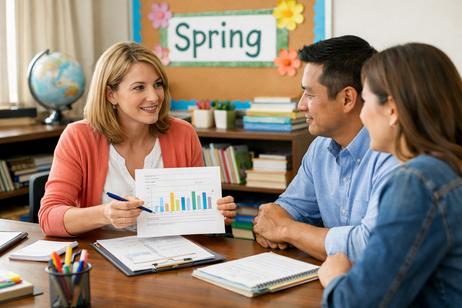
Spring parent-teacher conferences arrive at a pivotal point in the academic year. Unlike fall meetings, which often focus on first impressions and early adjustments, spring conversations center on progress, performance trends, and preparation for the next grade level.

For families navigating competitive academic environments, enrichment pathways, and evolving classroom expectations in 2026, these conferences are more than routine check-ins. They are strategic opportunities to advocate for your child and ensure strong academic momentum heading into summer and beyond.

This guide to Spring Parent-Teacher Conferences: Questions Every Parent Should Ask will help you prepare for a focused, productive conversation that supports both academic achievement and social development.

Why Spring Conferences Matter More Than You Think

By spring, teachers have a full year of data, observations, and insight into your child’s learning habits. Patterns are clear. Strengths are established. Areas of concern are measurable.

According to the National Education Association, effective parent-teacher communication improves student outcomes, attendance, and classroom engagement. Spring conferences are especially valuable because they allow time to intervene before final grades are issued.

In 2026, with many private schools integrating personalized learning platforms, AI-supported assessment tools, and competency-based grading models, parents need clarity not only about grades but also about skills mastery and executive functioning development.

Preparing Before You Walk In

Before attending your conference, take time to review:

  • Recent report cards

. . .read more

Prepare for Spring Tests Without Anxiety

Updated
|
Prepare for Spring Tests Without Anxiety
Learn how to prepare for spring standardized tests without increasing anxiety using proven strategies for families and schools.

How to Prepare for Spring Standardized Tests Without Increasing Anxiety

Each spring, students across the country sit for standardized exams that influence grade promotion, placement decisions, and in some cases, admissions outcomes. While assessment can provide valuable academic benchmarks, it can also create significant stress for students and families.

Understanding How to Prepare for Spring Standardized Tests Without Increasing Anxiety is essential for maintaining both academic performance and emotional well-being. In 2026, with expanded digital testing platforms and adaptive assessments in many states, preparation requires not only content review but also thoughtful attention to mental health.

This guide outlines research-informed strategies that schools and families can use to foster confidence, build competence, and reduce test-related pressure.

Why Spring Testing Triggers Anxiety

Test anxiety is more than simple nervousness. It can affect concentration, working memory, and even physical health. According to the American Psychological Association, chronic stress can interfere with learning and memory formation, particularly in adolescents. Families can learn more about stress and academic performance through the APA’s resources at.

Several factors contribute to spring testing stress:

  • High stakes messaging from adults

  • Fear of disappointing parents or teachers

  • Comparisons with peers

  • Time pressure during exams

  • Cumulative fatigue late in the school year

In 2026, additional concerns include screen fatigue and digital

. . .read more

Why 51Թ Are Launching Marketing Campaigns in 2026

Updated
|
Why 51Թ Are Launching Marketing Campaigns in 2026
Discover why public schools are launching marketing campaigns in 2026 and how enrollment shifts, school choice, and funding pressures are driving change.

Why 51Թ Are Launching Marketing Campaigns

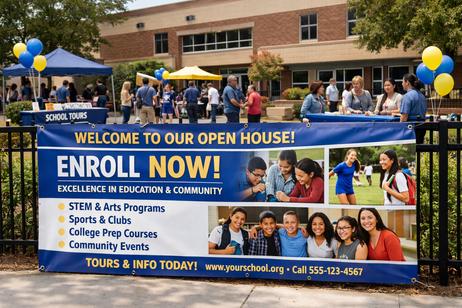
Public schools have traditionally relied on neighborhood boundaries and long-standing reputations to sustain enrollment. Today, that assumption no longer holds true. Across the country, districts are investing in branding, digital outreach, social media advertising, and community engagement strategies.

Why are public schools launching marketing campaigns? The answer lies in a combination of enrollment declines, increased school choice options, funding pressures, and a changing information landscape that has reshaped how families select schools.

In 2026, marketing is no longer viewed as optional or unconventional in public education. It is increasingly considered a strategic necessity.

Enrollment Declines and Funding Pressures

Public school funding is typically tied to enrollment. When student numbers drop, budgets follow.

According to data from the, public school enrollment has declined in many states since 2020, with some districts experiencing sustained losses through 2025 and into 2026. Contributing factors include:

  • Lower birth rates

  • Post-pandemic migration patterns

  • Growth of homeschooling

  • Expansion of charter schools and private school scholarships

  • Increased use of education savings accounts

Many districts have faced difficult choices, including school consolidations and staff reductions. As a result, superintendents are shifting from passive enrollment models to proactive outreach efforts.

In communities where open enrollment policies allow

. . .read more

Special Education Services in 51Թ 2026 Guide

Updated
|
Special Education Services in 51Թ 2026 Guide
A 2026 guide to special education services in public schools, covering IDEA rights, IEPs, 504 plans, evaluations, and parent resources.

Special Education Services in 51Թ: Rights and Resources

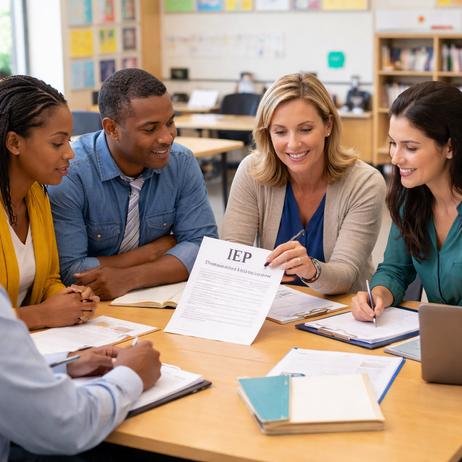
Special education services in public schools are a cornerstone of equitable education in the United States. For millions of students with disabilities, these services provide access to individualized instruction, specialized support, and legal protections that ensure meaningful educational progress.

As of 2026, more than 7.5 million students receive special education services under federal law. While the framework is well established, implementation continues to evolve through updated guidance, inclusive practices, and increased attention to mental health and learning recovery.

This updated guide explains how special education services in public schools work, outlines student rights, and provides practical resources for families navigating the process.

The Legal Foundation: IDEA and Section 504

Two primary federal laws govern special education services in public schools:

  • The Individuals with Disabilities Education Act (IDEA)

  • Section 504 of the Rehabilitation Act of 1973

IDEA guarantees eligible students a Free Appropriate Public Education, often referred to as FAPE, in the Least Restrictive Environment. The U.S. Department of Education oversees IDEA implementation nationwide. Families can review the full statute and guidance at the.

Section 504, enforced by the U.S. Department of Education’s Office for Civil Rights, protects students with disabilities from discrimination and ensures reasonable accommodations. Guidance is available through the.

While IDEA

. . .read more

Public School Rankings: Are They Accurate in 2026?

Updated
|
Public School Rankings: Are They Accurate in 2026?
Are public school rankings accurate? Learn how rankings are calculated in 2026, what they miss, and how families can evaluate schools wisely.

Public School Rankings: Are They Accurate?

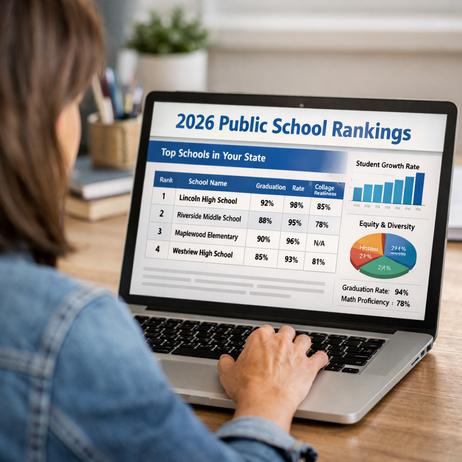
Each year, families across the country search online for the “best” schools in their area. Public school rankings promise quick answers, sortable lists, and easy comparisons. In a few clicks, parents can view a school’s position within their state, district, or even nationwide.

But are public school rankings accurate? And more importantly, do they tell the whole story?

In 2026, ranking systems are more sophisticated than ever. They draw on standardized test scores, graduation rates, college readiness indicators, and demographic data. Yet despite increased transparency and improved methodologies, school rankings remain an imperfect tool. Understanding how they work, and what they miss, is essential for families making high-stakes decisions.

How Public School Rankings Are Calculated in 2026

Most public school rankings rely on publicly available data reported to state education agencies and the federal government. Much of this information is collected through the U.S. Department of Education’s data systems and standardized testing programs.

Today’s ranking formulas typically include:

  • Standardized test scores in math, reading, and science

  • Graduation rates

  • College readiness indicators, such as AP or IB participation

  • Student growth metrics

  • Equity measures, including subgroup performance

  • Student-to-teacher ratios

For example, organizations such as publish annual K-12 rankings

. . .read more

Recent Articles

What It Takes to Run a Public School Day-to-Day
Explore what it takes to run a public school daily, from leadership and staffing to budgeting, safety, and student support systems.
Restorative Justice in Schools: What the Data Shows
Explore restorative justice in schools, including discipline data, outcomes, and implementation insights for educators and families.
Year-Round School Calendars: Pros, Cons, Research
Explore year-round school calendars, including benefits, drawbacks, and what academic research says about student outcomes.