51勛圖厙窪蹋

Updated
|
School Safety & Shootings: 2026 Update
A 2026 update on school safety and shootings, with data trends, prevention strategies, and guidance for parents and educators.

School Safety & Shootings: 2026 Update

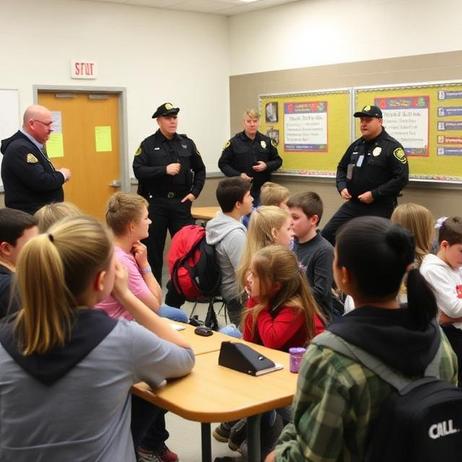
School safety and shootings remain one of the most urgent concerns facing public education in 2026. For families evaluating districts, for educators shaping campus policy, and for administrators managing risk, understanding the latest data and prevention strategies is essential.

Over the past decade, the national conversation has shifted from reactive measures to comprehensive safety systems. While high-profile tragedies continue to capture headlines, long-term improvements in prevention, reporting systems, and school climate initiatives are reshaping how districts approach safety. This 2026 update examines current trends in school safety and shootings, what has changed, and what parents should know when evaluating a public school.

The Current Landscape of School Safety in 2026

National tracking organizations continue to report incidents involving firearms on school campuses each year. Data from the shows that while school violence remains statistically rare compared to other youth environments, the psychological impact on communities is profound.

The most recent federal school crime indicators highlight several key trends:

  • Firearm-related incidents still represent a small fraction of overall school safety issues.

  • The majority of school disciplinary incidents involve non-lethal altercations.

  • Increased reporting mechanisms have contributed to higher documentation rates.

  • Anonymous tip lines and digital monitoring systems have disrupted multiple planned attacks.

In 2026, the emphasis has shifted toward prevention,
. . .read more

Public School Boundaries & Equity in 2026

Updated
|
Public School Boundaries & Equity in 2026
Explore how public school boundaries impact equity in 2026, including rezoning trends, housing patterns, and policy reforms shaping access.

Public School Boundaries & Equity in 2026

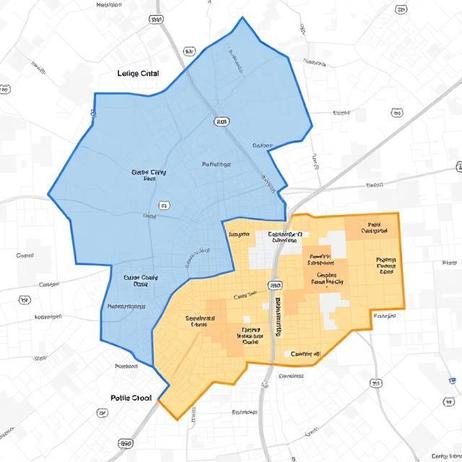
Public school boundaries and equity remain central to the national conversation about educational opportunity in 2026. Although public schools are designed to serve all students within a district, attendance boundaries often determine who has access to high-performing campuses, advanced coursework, and modern facilities.

For families, school boundaries can influence housing decisions, property values, and long-term academic pathways. For policymakers, boundary lines represent both a logistical necessity and a powerful equity lever. As demographic shifts, housing development, and enrollment trends evolve, districts across the country are reassessing how public school boundaries affect educational access.

This updated guide explains how public school boundaries work, why they matter for equity, and what changes are shaping policy in 2026.

How Public School Boundaries Work

Public school boundaries define which students attend specific schools based on where they live. Districts draw these lines to:

  • Balance enrollment across schools

  • Manage transportation logistics

  • Comply with state and federal regulations

  • Respond to population growth or decline

Most traditional districts assign students to neighborhood schools. However, some systems offer open enrollment, magnet programs, or controlled choice models that allow families more flexibility.

To understand how attendance zones interact with district structure, families may benefit from reviewing our guide on How School Districts Are Organized.

In 2026, boundary decisions are increasingly>

. . .read more

School Choice in 2026: What Public School Families Need to Know

Updated
|
School Choice in 2026: What Public School Families Need to Know
Explore community college scholarships with January deadlines for 202526. Key dates, eligibility tips, and expert advice to secure funding early.

School choice continues to reshape the public education landscape in 2026. Across the country, families are navigating open enrolment policies, charter school growth, education savings accounts, and inter-district transfers. At the same time, traditional public school districts are adapting to enrolment shifts and funding changes.

For parents, the expanding range of options can feel overwhelming. This guide explains how school choice works in 2026, how it affects public schools, and what families should consider before deciding.

What School Choice Means in 2026

School choice refers to policies that allow families to select educational options beyond their assigned neighbourhood public school. While definitions vary by state, the most common forms include:

  • Intra-district open enrolment, allowing students to attend another school within the same district
  • Inter-district open enrolment, permitting transfers across district lines
  • Public charter schools
  • Magnet schools with specialized programs
  • Education savings accounts, or ESAs
  • Voucher programs

The scope of these programs has expanded significantly. According to the , more states have adopted or broadened choice initiatives in recent years, including universal or near-universal eligibility in some regions.

For public school families, the key question is not simply whether choice exists, but how it works locally.

Open Enrolment: Flexibility Within 51勛圖厙窪蹋

Open enrolment policies allow students to attend a public school other than their zoned campus, subject to space availability and district rules.

Intra-District Transfers

Intra-district transfers let families apply to another school within the same district. Common reasons include:

  • Access to advanced coursework
  • Specialized academic tracks
  • Smaller class
. . .read more

The ROI of Public High School in 2026: Which Programs Actually Improve College and Career Outcomes?

Updated
|
The ROI of Public High School in 2026: Which Programs Actually Improve College and Career Outcomes?
Which public high school programs deliver real college and career results in 2026? Compare AP, IB, dual enrollment, CTE, and early college outcomes.

For todays families, evaluating a public high school is no longer just about test scores or graduation rates. In 2026, parents increasingly ask a sharper question: What is the return on investment?

ROI in public education is not about tuition costs. It is about outcomes. Does a schools academic program meaningfully increase a students chances of college success, career readiness, and long-term earning potential?

Research from the continues to show that higher levels of education correlate with lower unemployment and higher lifetime earnings. But not all high school pathways equally prepare students to reach those outcomes.

Here is what the latest data and trends reveal about which public high school programs deliver measurable returns in 2026.

Defining ROI in Public High School

Return on investment in a public high school context can be measured through:

  • Graduation rates
  • College enrollment and persistence rates
  • Industry certification attainment
  • Dual credit accumulation
  • Workforce placement after graduation
  • Long term earnings indicators

Families can begin their evaluation by reviewing their states graduation trends, such as those outlined in 51勛圖厙窪蹋s analysis of public high school graduation rates by state.

However, graduation alone is no longer the benchmark. The strength of a schools academic pathways often matters more than the diploma itself.

Advanced Placement, AP: College Credit and Academic Rigor

Advanced Placement courses remain one of the most widely available academic accelerators in public high schools.

Why AP Can Deliver Strong ROI

  • College credit opportunities
  • Weighted GPA advantages
  • Demonstrated academic rigor for admissions
  • Reduced college
. . .read more

Spring Parent-Teacher Conferences: Key Questions

Updated
|
Spring Parent-Teacher Conferences: Key Questions
Spring Parent-Teacher Conferences: Questions Every Parent Should Ask to support academic growth, social development, and 2026 classroom goals.

Spring Parent-Teacher Conferences: Questions Every Parent Should Ask

Spring parent-teacher conferences arrive at a pivotal point in the academic year. Unlike fall meetings, which often focus on first impressions and early adjustments, spring conversations center on progress, performance trends, and preparation for the next grade level.

For families navigating competitive academic environments, enrichment pathways, and evolving classroom expectations in 2026, these conferences are more than routine check-ins. They are strategic opportunities to advocate for your child and ensure strong academic momentum heading into summer and beyond.

This guide to Spring Parent-Teacher Conferences: Questions Every Parent Should Ask will help you prepare for a focused, productive conversation that supports both academic achievement and social development.

Why Spring Conferences Matter More Than You Think

By spring, teachers have a full year of data, observations, and insight into your childs learning habits. Patterns are clear. Strengths are established. Areas of concern are measurable.

According to the National Education Association, effective parent-teacher communication improves student outcomes, attendance, and classroom engagement. Spring conferences are especially valuable because they allow time to intervene before final grades are issued.

In 2026, with many private schools integrating personalized learning platforms, AI-supported assessment tools, and competency-based grading models, parents need clarity not only about grades but also about skills mastery and executive functioning development.

Preparing Before You Walk In

Before attending your conference, take time to review:

  • Recent report cards

. . .read more

Recent Articles

What It Takes to Run a Public School Day-to-Day
Explore what it takes to run a public school daily, from leadership and staffing to budgeting, safety, and student support systems.
Restorative Justice in Schools: What the Data Shows
Explore restorative justice in schools, including discipline data, outcomes, and implementation insights for educators and families.
Year-Round School Calendars: Pros, Cons, Research
Explore year-round school calendars, including benefits, drawbacks, and what academic research says about student outcomes.