Do We Still Need Libraries in 51勛圖厙窪蹋?
As we settle into 2026, the question ���Do we still need libraries in public schools?��� continues to surface in education policy debates, budget discussions, and classroom planning sessions. With ubiquitous digital devices and increasingly connected learning environments, some may wonder whether traditional library spaces and services still matter. The short answer: yes ��� now more than ever.
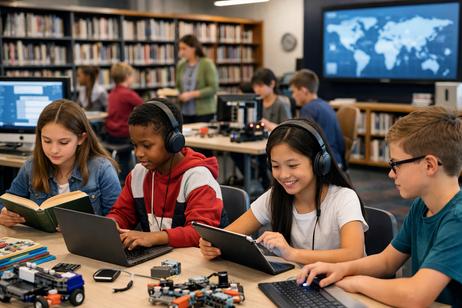
Public school libraries have evolved far beyond rows of dusty books. Today���s libraries are dynamic learning hubs that blend literacy, technology, community, and equity. This article examines the continuing importance of libraries in public schools, how they���ve adapted to 21st���century needs, and why eliminating them could undermine educational outcomes.
The Library���s Core Mission: Literacy and Learning
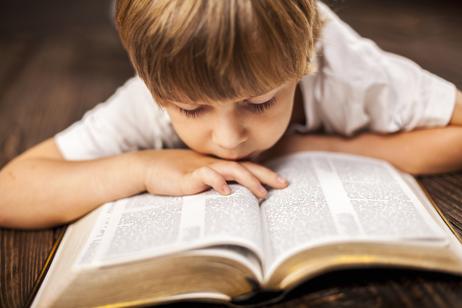
At their heart, school libraries promote reading ��� a foundational skill linked to academic success across subjects. Research consistently shows that access to diverse reading materials improves comprehension, vocabulary, and lifelong learning motivation.
Libraries help bridge gaps in literacy skills, especially for students who may not have access to books at home. According to the American Library Association (ALA), school libraries staffed by credentialed librarians correlate with better reading test scores and higher graduation rates.繒 Access to both print and digital resources ensures that students with different learning preferences and needs can engage meaningfully with texts.
Library programs also support broader literacy efforts such as:
Summer reading initiatives that counter the ���summer slide.���